
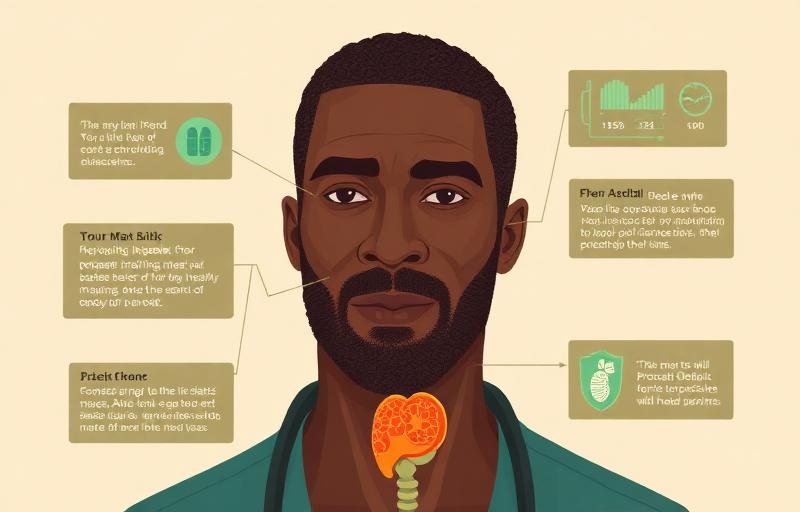
Prostate health is an increasingly important concern for men across East Africa, particularly after the age of 40. While awareness remains limited, conditions such as benign prostatic enlargement (BPE) and prostatitis are becoming more common due to a combination of aging, lifestyle changes, and dietary patterns.
In many African contexts, men often delay seeking care — making early understanding and prevention especially important.
What Is the Prostate? — The prostate is a small gland located below the bladder. It plays a role in male reproductive health by producing fluid that supports sperm. As men age, the prostate can gradually enlarge, leading to pressure on the urethra and changes in urinary function.
Common Signs of Prostate Changes — Frequent urination, especially at night. Weak or interrupted urine flow. Difficulty starting urination. Sensation of incomplete emptying. These symptoms are not uncommon and may develop gradually.
Why It Matters in the African Context — Several factors contribute to prostate-related concerns in African populations: increasing life expectancy, urbanisation and sedentary lifestyles, diets higher in processed foods and lower in plant diversity, and limited early screening and awareness. Addressing prostate health proactively can significantly improve quality of life.
Supporting Prostate Wellness — Research and traditional practices suggest several approaches: maintaining a balanced diet rich in vegetables and healthy fats, staying physically active, managing stress and sleep, and incorporating nutraceutical ingredients traditionally associated with prostate support. Some formulations include plant-based compounds that have been studied for their role in supporting urinary and prostate function.
Key Takeaway — Prostate health is not only a medical issue — it is a quality-of-life issue. Early awareness and consistent lifestyle support can make a meaningful difference over time.